Education is a fundamental pillar of any society, shaping individuals and communities alike. One of the most crucial stages in this journey is secondary level education, where students transition from foundational learning to advanced concepts that prepare them for adulthood. But what exactly is secondary education, and why does it matter so much?
What is Secondary Level Education?
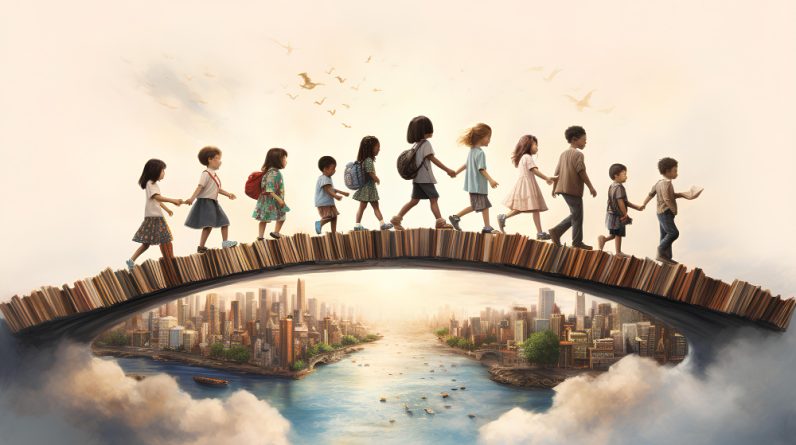
At its core, secondary education is the stage of formal education that follows primary school and precedes higher education or vocational training. It typically caters to students aged 12 to 18, though this range may vary slightly depending on the country. Secondary education serves as a bridge, equipping students with essential skills, knowledge, and attitudes necessary for success in life.
Globally, this stage is known by various terms like middle school, junior high, or high school, reflecting regional education systems and practices.
Structure of Secondary Education
- Middle School or Lower Secondary
This initial phase focuses on reinforcing basic skills learned in primary school and introducing more specialized subjects. - High School or Upper Secondary
The latter phase dives deeper into complex topics, offering elective courses and preparing students for college, university, or the workforce.
The structure and duration of these phases differ significantly across countries, but the goal remains consistent: holistic development.
Core Subjects and Curriculum
Secondary education typically includes a broad curriculum featuring core subjects such as:
- Mathematics
- Science
- Language arts
- Social studies
Additionally, students may choose electives like music, art, or technical education, allowing them to explore personal interests. Skill-based programs, including coding and entrepreneurship, are becoming increasingly popular to meet the demands of a changing world.
Purpose of Secondary Education
Secondary education is about more than just academics. Its purpose includes:
- Bridging the Gap: Transitioning students from basic to advanced knowledge.
- Critical Thinking: Encouraging analytical and problem-solving skills.
- Career Readiness: Preparing students for higher education or vocational paths.
Key Features of Secondary Education
- Academic Development
This includes a focus on theoretical knowledge and practical applications. - Extracurricular Activities
From sports to clubs, these opportunities help students develop teamwork and leadership skills. - Career Counseling
Many schools now offer guidance programs to help students make informed career choices.
Challenges in Secondary Education
Despite its importance, secondary education faces numerous challenges, including:
- Access Issues: In many parts of the world, education remains a privilege rather than a right.
- Quality Concerns: Ensuring a consistent standard of education across regions is difficult.
- High Dropout Rates: Socioeconomic factors often lead to students leaving school prematurely.
Impact of Secondary Education on Society
A robust secondary education system can transform communities by:
- Driving economic development through a skilled workforce.
- Reducing inequality by providing equal opportunities.
- Empowering individuals to break cycles of poverty.
Technological Integration in Secondary Education
Digital tools have revolutionized how students learn, making education more accessible and engaging. Online learning platforms, virtual classrooms, and AI-based learning systems are reshaping traditional methods. However, the digital divide remains a significant hurdle.
Secondary Education Systems Around the World
- USA: Offers a flexible approach with electives and Advanced Placement (AP) courses.
- Europe: Focuses on a balance of academics and vocational training.
- Developing Countries: Struggles with access and resource allocation.
Secondary Education Policies
Governments play a crucial role in shaping policies that impact funding, curriculum, and teacher training. The balance between public and private schools and global efforts like UNESCO’s Education for All initiative underscores the importance of collaboration.
How Parents and Communities Can Support Secondary Education
Active parental involvement and community support are vital for student success. Mentorship programs and local initiatives can inspire students to stay motivated and achieve their goals.
Future Trends in Secondary Education
The future of secondary education is bright, with trends like personalized learning, a greater emphasis on STEM subjects, and global education standards taking center stage. These innovations aim to make learning more inclusive and effective.
Conclusion
Secondary education is more than just a stage in a student’s academic journey; it’s a foundation for their future and a catalyst for societal growth. Ensuring its accessibility and quality should be a global priority.
FAQs
- What are the main objectives of secondary education?
To prepare students for higher education or vocational training and to develop critical thinking skills. - How is secondary education different from primary education?
It focuses on more advanced subjects and skill development, while primary education provides foundational knowledge. - At what age does secondary education typically begin?
Generally, it starts at around 12 years old, depending on the country. - What role does technology play in secondary education?
It enhances learning through digital tools, making education more accessible and interactive. - How can parents support their children during secondary education?
By staying involved in their academic life, encouraging extracurricular activities, and providing emotional support.