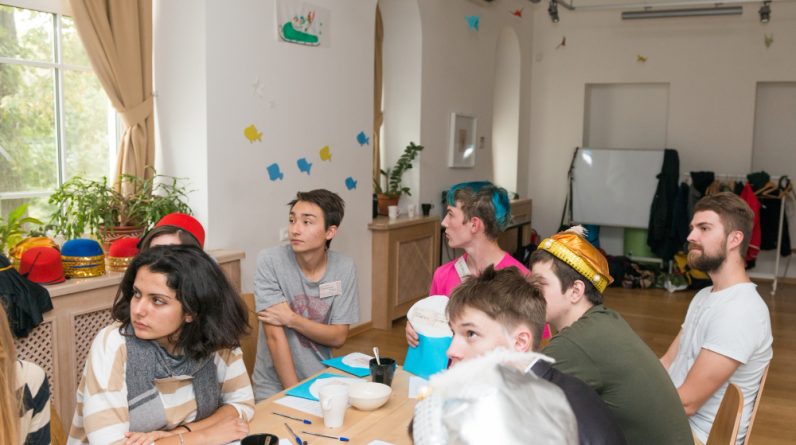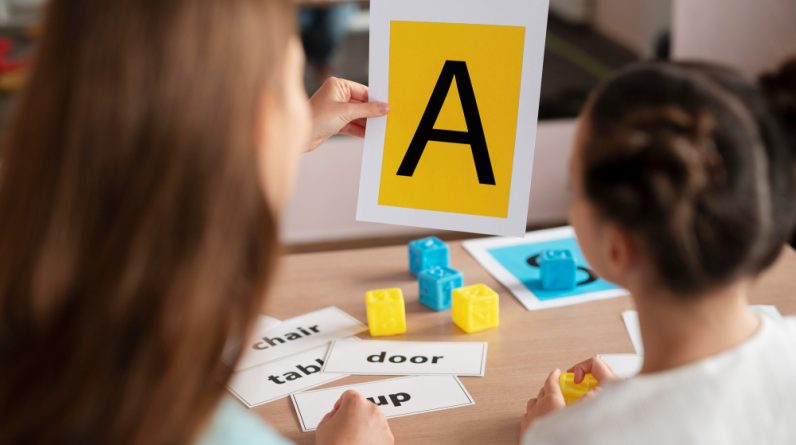
- Child-Centered Learning: Montessori classrooms are designed to cater to the individual needs, interests, and developmental pace of each child. The curriculum is flexible, allowing children to choose activities that engage them and help them develop their skills.
- Mixed-Age Groups: Montessori classrooms typically have children of various ages (usually spanning three-year age ranges, like 3-6 years, 6-9 years, etc.). Older children can mentor younger ones, while younger children are inspired by their older peers. This setup fosters a sense of community and collaboration.
- Hands-On Learning: In Montessori classrooms, materials are designed to be tactile and sensory, allowing children to explore concepts by directly interacting with them. For example, children might use specially designed math manipulatives to understand mathematical concepts, or they might engage with language materials that help with reading and writing skills.
- Self-Directed Activity: Children are encouraged to take initiative and make choices about their learning. They can explore activities at their own pace, which fosters a sense of responsibility and self-motivation. Teachers act as guides, providing lessons and tools, but children are free to decide when and how to engage with them.
- Learning Through Exploration: Montessori classrooms encourage children to explore their environment and learn through experience. This includes not just academic subjects but also social, emotional, and practical life skills. For example, children may learn how to clean, organize, and take care of their own space, which helps build independence.
- Respect for the Child: Montessori education is rooted in respect for each child’s individuality. Teachers are trained to observe and understand the child’s needs, interests, and developmental stage, and to respond with patience and encouragement. This respect helps foster a positive relationship between the child and teacher, where the child feels valued and understood.
- Prepared Environment: The classroom is carefully organized to promote independence, order, and freedom of movement. It is designed to be aesthetically pleasing and accessible, with materials that are child-sized and within reach. The environment is meant to encourage exploration, discovery, and self-correction.
- Focus on Intrinsic Motivation: Montessori emphasizes the development of intrinsic motivation—learning for the sake of learning—rather than relying on external rewards or punishments. Children are encouraged to pursue their interests and passions, which helps them develop a strong internal drive to learn.
Montessori Curriculum Areas:
- Practical Life: This area teaches children skills they can use in their daily lives, such as pouring, buttoning, sweeping, and cleaning. These activities help children develop motor skills, independence, and a sense of responsibility.
- Sensorial: Montessori materials are designed to help children refine their senses and categorize their experiences. For example, they may work with materials that teach them about colors, shapes, textures, and sounds, which help them develop observation and analytical skills.
- Mathematics: Montessori math materials help children understand abstract concepts through hands-on experiences. For example, children might use blocks or beads to visually grasp the concept of addition, subtraction, multiplication, and division.
- Language: Montessori language activities encourage literacy skills such as reading, writing, and speaking. Children use materials like sandpaper letters and movable alphabets to explore letters and sounds in a tactile way before moving on to more complex language skills.
- Cultural Studies: This area includes geography, history, science, and the arts. Children learn about the world around them, including different cultures, ecosystems, and the interconnectivity of all living things.
Benefits of Montessori Education:
- Fosters Independence: By allowing children to make choices and manage their own learning, Montessori encourages independence and self-confidence.
- Promotes Social Skills: The mixed-age environment helps children develop strong social and emotional skills, as they learn to cooperate, share, and mentor others.
- Encourages a Love of Learning: Since children can explore topics that interest them, they often develop a lifelong love of learning and intellectual curiosity.
- Respects Individual Pace: Each child is able to progress at their own pace, which can be especially beneficial for those who might need more time in one area or for those who advance quickly.
- Focus on Holistic Development: Montessori education emphasizes not only academic growth but also emotional, social, and physical development.
Conclusion:
Montessori education offers a unique, child-centered approach to learning that empowers children to become independent, curious, and motivated learners. By providing a structured yet flexible environment, Montessori helps children develop a deep love for learning and equips them with the skills they need to succeed both in school and in life.
Montessori’s Global Reach and Impact:
Montessori education has grown significantly since Dr. Maria Montessori first introduced it in the early 20th century. Today, there are thousands of Montessori schools around the world, offering programs for children from early childhood through middle school. The Montessori method is not just limited to private schools but is also adopted in public education systems in various countries.
Many educational institutions, including preschools, elementary schools, and even high schools, use Montessori principles to varying degrees, promoting a more individualized and hands-on approach to learning. The method has also been applied in diverse cultural contexts, demonstrating its adaptability and universal appeal.
Montessori in Early Childhood:
Montessori education is particularly well-known for its success in early childhood settings. In Montessori preschools and kindergartens, children typically begin their education around the age of three. During these formative years, Montessori education focuses on building essential skills, such as:
- Fine and Gross Motor Skills: Through activities like pouring, sweeping, and working with puzzle pieces, children develop both fine motor skills (using small muscles) and gross motor skills (using larger muscles).
- Social and Emotional Skills: As children work with peers, they develop important social skills like sharing, taking turns, resolving conflicts, and communicating their needs effectively.
- Language Development: Children are immersed in a language-rich environment, with access to books, storytelling, and activities that help develop vocabulary and comprehension. They also learn how to write and read in a natural, self-paced manner.
- Practical Life Skills: Activities such as buttoning clothes, preparing snacks, and cleaning up after themselves teach children life skills that foster independence and responsibility.
Montessori in Elementary and Beyond:
While Montessori is often associated with early childhood education, its principles extend through elementary and even middle school years. In Montessori elementary classrooms, children typically continue their education by engaging in more complex subjects while maintaining the same focus on self-directed learning. The curriculum becomes more comprehensive as they move through subjects like math, science, history, and the arts. Key elements in these stages include:
- Project-Based Learning: Instead of relying solely on textbooks, Montessori students often engage in interdisciplinary projects that encourage critical thinking, collaboration, and real-world application of knowledge.
- Learning in Community: Montessori classrooms often emphasize community-building activities, where children collaborate on group projects or work together to solve problems.
- Emphasis on Responsibility: Older Montessori students are given greater responsibility for managing their time, making decisions about their learning, and contributing to the classroom environment.
Montessori Teacher Role:
In a Montessori classroom, the teacher plays a significantly different role than in traditional education settings. Rather than being the central figure who imparts knowledge to students, the Montessori teacher acts as a guide or facilitator. The teacher’s role is to:
- Observe each child closely to understand their needs, interests, and developmental progress.
- Introduce new materials and activities in a way that encourages self-exploration and independent learning.
- Provide a supportive and structured environment where children feel safe to make mistakes and learn from them.
- Foster a sense of community within the classroom, helping children develop social skills and empathy.
This teacher-student relationship is rooted in respect and trust, with teachers working to create an environment where children can take ownership of their learning and grow at their own pace.
Criticisms and Considerations:
While Montessori education has many benefits, there are some criticisms and considerations to keep in mind:
- Cost: Montessori schools are often private institutions and can be expensive, making them less accessible for some families. However, there are also public Montessori programs and schools in some areas.
- Lack of Standardized Testing: Some critics argue that the Montessori method does not place enough emphasis on standardized testing or traditional assessments, which can be a challenge in some educational systems that prioritize these measures.
- Teacher Training: The effectiveness of a Montessori program depends heavily on the training and experience of the teacher. Inadequately trained teachers may struggle to implement Montessori principles effectively, which could impact the quality of the education.
- Transition to Traditional Schools: Some children who transition from a Montessori school to a traditional school setting may experience difficulties adjusting to the more structured environment and curriculum. However, many Montessori alumni report that the skills they learned—such as independent thinking, problem-solving, and a love of learning—have helped them adapt.
Conclusion:
Montessori education offers a holistic, child-centered approach that prioritizes independence, hands-on learning, and respect for the individual child’s pace and interests. It is an educational method that has stood the test of time, promoting the development of well-rounded, curious, and self-motivated learners. By focusing on the child’s natural development and providing a nurturing, structured environment, Montessori education helps cultivate a lifelong love for learning and prepares students for success in school and beyond.
Despite some challenges and criticisms, the Montessori method continues to be highly regarded by many educators and parents around the world. Its emphasis on fostering intrinsic motivation, critical thinking, and respect for others makes it a unique and valuable approach to education.