The question of whether it is time for a new educational sports model is increasingly relevant in the context of today’s rapidly changing world. Education and sports have long been linked, with physical education (PE) being a staple in schools worldwide. However, as society evolves, so too does the way we think about and engage with sports in the educational system.
Here are a few points to consider regarding the idea of a new educational sports model:
1. Evolving Needs of Students
Traditional sports models in schools often focus on competitive team sports and may not align with the diverse interests and needs of today’s students. With an increasing emphasis on individuality, mental health, and well-being, a shift toward a more inclusive model that offers a wider range of activities could help engage students who might not be interested in traditional team sports. This could include options like yoga, dance, fitness, or mindfulness-based activities, all of which contribute to overall well-being and promote lifelong fitness habits.
2. Promoting Physical and Mental Health
In recent years, there’s been a growing awareness of the importance of mental health in sports. Traditional models often focus heavily on physical performance and competition, sometimes at the cost of emotional or psychological health. A new sports education model could place greater emphasis on the mental resilience, teamwork, and emotional intelligence that come from participation in sports—helping to create well-rounded individuals who are both physically and mentally strong.
3. Access and Inclusivity
Many traditional sports programs are exclusionary in nature, focusing on performance-based selection. Students who are not athletically gifted may be sidelined, leading to a lack of engagement or even feelings of inadequacy. A new model could place greater emphasis on inclusivity, ensuring that all students—regardless of their athletic ability—have the opportunity to engage in physical activity in a supportive and positive environment.
4. Integrating Technology
In today’s world, technology plays a huge role in everything from learning to entertainment. A new sports model could leverage technology to improve performance tracking, enhance training, and increase engagement with physical activities. Virtual reality (VR), wearables, and fitness apps could be integrated into the educational system, allowing students to explore new ways of staying active and engaged in sports.
5. Focus on Lifelong Fitness
A new model could also be focused on building lifelong fitness habits, rather than just encouraging students to participate in sports during their school years. The goal would be to create a culture where fitness is not just a subject but a way of life. By promoting various types of physical activity, schools can help students build habits that will serve them throughout their lives, regardless of whether they pursue organized sports in adulthood.
6. Collaboration with Communities and Families
A new educational sports model would benefit from collaborative partnerships with local sports organizations, fitness centers, and even families. By creating connections between schools and communities, sports can become an integrated part of daily life, where students are encouraged to continue participating outside of the classroom.
7. Empowering Educators and Coaches
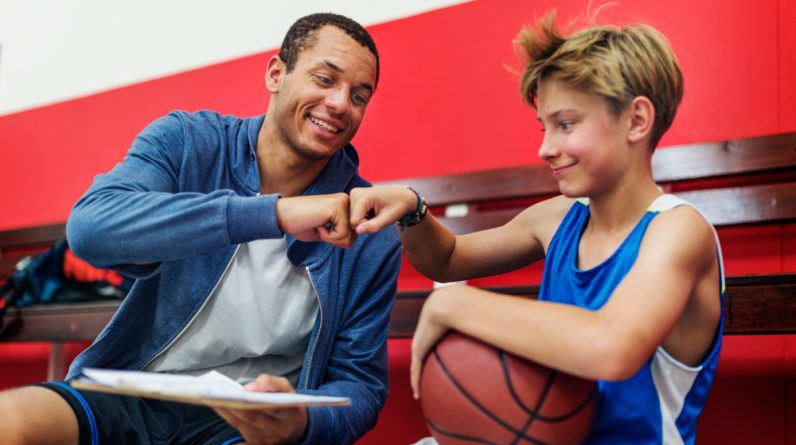
Educators and coaches would also need to evolve with this new model. Professional development programs focusing on holistic teaching methods, mental health awareness, and inclusive practices could be key to ensuring that coaches and PE teachers are equipped to support all students, regardless of their background or abilities.
Conclusion
In conclusion, it might indeed be time for a new educational sports model. The world is changing, and students’ needs and interests are evolving. A more inclusive, holistic approach to physical education could promote overall well-being, foster mental resilience, and encourage lifelong habits of fitness. By integrating technology, focusing on emotional intelligence, and ensuring access for all, we can create a sports model that is not only relevant today but also impactful for future generations.
8. Fostering Teamwork and Social Skills
A new sports education model should also place a strong emphasis on teamwork and social skills. In the modern world, success often depends on how well individuals can work together in teams, collaborate, and communicate effectively. By focusing on cooperative sports and group activities, schools can help students develop the social and interpersonal skills that are crucial in both their personal and professional lives.
Incorporating team-based activities into the educational system—where the focus is on supporting one another, building trust, and learning from mistakes—would not only promote healthy competition but also develop a culture of collaboration and mutual respect. This shift could benefit students in all areas of life, from school to future careers.
9. Addressing the Digital Divide
While integrating technology into education has its benefits, it is important to consider the digital divide. Not all students have equal access to technology, whether it be the latest devices or reliable internet connections. To ensure an equitable sports education model, schools should provide access to technology for all students, either through school-provided equipment or community-based initiatives. This could allow all students, regardless of their socio-economic background, to benefit from the technological integration of sports and physical education programs.
10. Incorporating Mindfulness and Stress Relief
As society becomes increasingly aware of the importance of mental well-being, incorporating mindfulness and stress-relief practices into the sports curriculum could be a powerful addition. Techniques like meditation, breathing exercises, and mindful movement (such as yoga or tai chi) are not only good for the body but also for the mind. These activities can help students better manage stress, improve focus, and cultivate emotional balance, which is especially important in a world full of academic and social pressures.
In this new sports model, the goal would be to offer a holistic approach to student health that considers not just the physical body, but the emotional and psychological needs of the individual.
11. Redefining Success in Sports Education
In traditional sports models, success is often defined by competition, victories, and awards. However, this can create an environment where only the top performers are celebrated, and others may feel overlooked or discouraged. A new model could redefine success by emphasizing personal growth, effort, and progress.
Rather than focusing solely on winning, the model could encourage students to set personal fitness goals and celebrate improvements in their own health and abilities. For instance, success could be measured by improvements in endurance, strength, or emotional resilience, rather than just who won the game or scored the most points.
12. Encouraging Cross-Curricular Learning
A reimagined sports model could also encourage more cross-curricular learning by integrating physical education with other subjects. For example, students could learn about nutrition in science class and apply that knowledge during physical activities. Or, they might learn about history or culture through sports traditions from around the world. Integrating different subjects within sports education could create a richer, more engaging learning experience and help students see the broader applications of their physical education.
13. Shifting from a Competitive to a Collaborative Mindset
Finally, a fundamental shift in the educational sports model could be moving away from an emphasis on competition and focusing more on collaboration. While competition has its benefits, particularly in building resilience and discipline, an overemphasis on it can lead to stress, burnout, or feelings of failure among students who do not excel in traditional sports.
By shifting to a more collaborative mindset, students can focus on the joy and health benefits of physical activity, rather than constantly trying to win or outperform their peers. This model would place more value on personal effort, teamwork, and enjoyment, rather than just the scoreboard.
Conclusion: The Future of Educational Sports Models
As the world continues to change and students’ needs evolve, it is clear that a new educational sports model is not just a possibility—it’s becoming a necessity. By embracing a more inclusive, holistic, and technology-integrated approach to sports education, we can ensure that students are not only physically fit but also mentally strong, socially capable, and emotionally resilient.
A new model could empower students to engage in sports in a way that fits their personal interests and needs, fosters lifelong habits of health and wellness, and prepares them for success in a rapidly changing world. Whether through greater inclusivity, a focus on personal growth, or a balance between physical and mental well-being, this evolution of sports education could truly help create well-rounded individuals prepared for both the challenges and rewards of life.