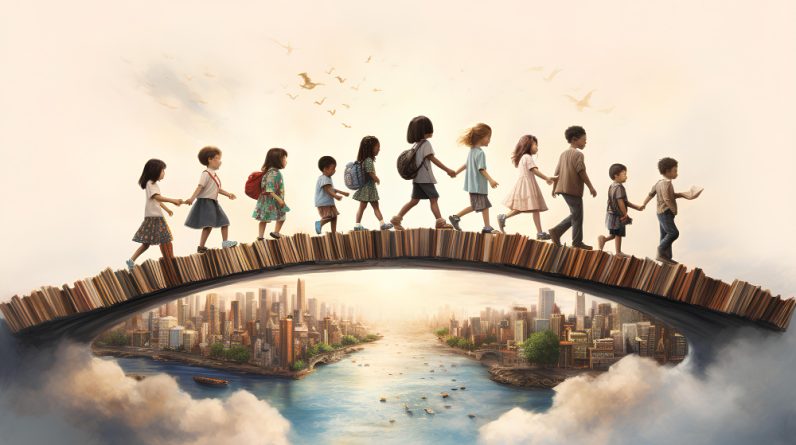
Education is more than just learning facts and figures—it’s a powerful tool for building connections among people from diverse backgrounds. Through its ability to foster understanding, empathy, and collaboration, education creates bridges that unite individuals, communities, and even nations. Here’s how education brings people closer together:
1. Promoting Shared Understanding
Education helps individuals understand the world from different perspectives. By exposing students to various cultures, histories, and worldviews, education fosters tolerance and mutual respect. For example:
- History Classes: Teach about the struggles and triumphs of different groups, helping students appreciate shared human experiences.
- Language Learning: Enables communication with people from different regions, breaking language barriers and fostering connections.
2. Encouraging Collaboration and Teamwork
From group projects in school to collaborative research at universities, education emphasizes working together to achieve common goals. This cooperation teaches valuable interpersonal skills such as:
- Active Listening: Paying attention to others’ ideas fosters mutual respect.
- Conflict Resolution: Learning to solve disagreements prepares students for real-world interactions.
3. Building Social Networks
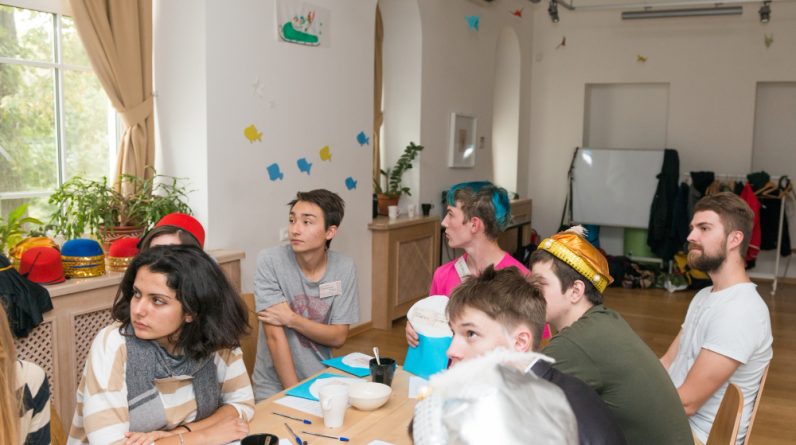
Schools, colleges, and training programs act as hubs where people from varied backgrounds meet. These connections often lead to lifelong friendships, mentorships, and professional relationships. Examples include:
- Classroom Interactions: Encouraging diverse groups to work together.
- Extracurricular Activities: Clubs, sports, and arts provide opportunities for bonding over shared interests.
4. Breaking Down Prejudices
Education challenges stereotypes and prejudices by exposing individuals to new ideas and experiences. It helps people see beyond labels, allowing them to connect on a human level. For instance:
- Diversity Programs: Highlight the value of different perspectives.
- Civic Education: Encourages understanding of social justice and equality.
5. Connecting Generations
Education also bridges the generational gap, allowing knowledge transfer between the young and the old. For example:
- Storytelling and Oral Traditions: Elders share wisdom with younger generations.
- Modern Technology in Learning: Youth teach older generations to use digital tools, fostering mutual respect and understanding.
6. Driving Globalization
With advancements in online learning, education connects people across the globe. Virtual classrooms, exchange programs, and international conferences allow individuals to collaborate and share knowledge, regardless of geographical location.
7. Inspiring Empathy and Compassion
Through subjects like literature, psychology, and sociology, education fosters emotional intelligence. Understanding others’ feelings and experiences makes it easier to connect on a deeper level.
8. Fostering Community Engagement
Educational initiatives often encourage students to engage with their communities through volunteer work, service projects, and internships. These experiences help individuals:
- Build relationships with local communities.
- Develop a sense of responsibility toward societal improvement.
Conclusion
Education is a powerful bridge that connects people by fostering understanding, collaboration, and empathy. It equips individuals with the tools to navigate and thrive in a diverse world. Through education, we build not only knowledge but also meaningful relationships that unite us all.
9. Empowering Individuals to Advocate for Change
Education enables people to voice their opinions and advocate for causes that matter to them. This shared passion for change often unites individuals and communities, creating lasting bonds. For example:
- Advocacy Groups Formed in Schools: Students rally around issues like climate change or human rights.
- Social Movements Led by Educated Leaders: Think of leaders like Malala Yousafzai, whose education inspired global efforts toward girls’ schooling.
Through these shared efforts, people come together to work toward a common goal, strengthening their relationships and fostering a sense of unity.
10. Reducing Social and Economic Gaps
Education is one of the most effective tools for bridging social and economic divides. By offering opportunities for learning and skill-building, it helps create equality. People from different backgrounds can connect on a level playing field in educational institutions, which might otherwise be hindered by disparities in wealth or social status.
- Scholarship Programs: Enable students from underserved communities to interact with peers from more affluent backgrounds.
- Skill-Based Training: Equips individuals with abilities that make them valuable contributors to society, breaking stereotypes.
11. Encouraging Open-Mindedness Through Exposure
In an educational environment, individuals are often exposed to ideas and perspectives they wouldn’t encounter otherwise. This diversity helps people:
- Challenge Their Own Biases: Learning about new cultures or ideologies reduces the tendency to judge others harshly.
- Form Meaningful Relationships: People with varying beliefs can learn to coexist and work together.
12. Education as a Platform for Intergenerational Learning
Programs like mentorships and apprenticeship models often pair younger learners with seasoned professionals. This dynamic allows for:
- Wisdom Sharing: The older generation imparts experience and practical knowledge.
- Innovative Ideas: Youth bring fresh, creative approaches to solving problems.
This exchange bridges generational divides, fostering respect and collaboration between age groups.
- Global Collaboration Through Education
Education has evolved beyond local classrooms, opening doors to international cooperation. Through digital platforms and global exchange programs, students and educators collaborate across continents, promoting cross-cultural understanding. Examples include:
- Online Learning Platforms: Sites like Coursera or edX connect students with global experts.
- Cultural Exchange Programs: Help participants immerse themselves in foreign traditions and lifestyles.
14. Uniting People Through Shared Goals
Whether it’s excelling in academics or solving real-world problems, education unites people who share a purpose. Collaborative efforts in group projects, research, or community initiatives strengthen bonds and encourage collective success.
15. Encouraging Lifelong Connections
The friendships, mentorships, and professional relationships formed through education often last a lifetime. These connections can turn into networks that help individuals support each other’s growth, both personally and professionally.
Conclusion
Education is much more than a means to acquire knowledge—it’s a bridge that connects people, fosters empathy, and drives collective progress. By reducing barriers, encouraging collaboration, and promoting understanding, education helps create a more unified and inclusive society. Whether in a local classroom or through global platforms, education weaves a network of connections that benefit individuals and communities alike.