Secondary education refers to the stage of education that follows primary or elementary education and precedes higher education or vocational training. It typically covers the adolescent years, providing foundational knowledge and skills necessary for personal development, further education, or entry into the workforce.
Key Features of Secondary Education
- Grade Levels
- In most countries, secondary education spans grades 6–12 or 7–12, divided into two phases:
- Lower Secondary (Middle School/Junior High): Focuses on general education and transitioning from primary school.
- Upper Secondary (High School/Senior Secondary): Offers more specialized subjects and prepares students for higher education or careers.
- In most countries, secondary education spans grades 6–12 or 7–12, divided into two phases:
- Curriculum
- A combination of core subjects (e.g., mathematics, science, history, and languages) and electives.
- May include vocational or technical training, depending on the education system.
- Compulsory Education
- In many countries, secondary education is mandatory up to a certain age (e.g., 16 or 18 years).
- Assessment and Certification
- Students are typically evaluated through exams and coursework.
- Completion of secondary education often leads to a certificate or diploma, such as a high school diploma or GCSEs (General Certificate of Secondary Education).
Purpose of Secondary Education
- Academic Development
- Provides a broad foundation of knowledge and critical thinking skills.
- Preparation for Higher Education
- Equips students with the qualifications needed to pursue university, college, or advanced training.
- Career Readiness
- Offers vocational programs or career guidance to prepare students for employment.
- Social and Emotional Growth
- Helps adolescents develop interpersonal skills, independence, and self-awareness.
- Civic Engagement
- Encourages active participation in society by teaching civic responsibilities and global awareness.
Types of Secondary Education
- General Secondary Education
- Emphasizes academic subjects and preparation for higher education.
- Vocational Secondary Education
- Focuses on practical skills and training for specific trades or careers.
- Specialized Secondary Education
- Offers programs tailored to students with specific talents, such as art, music, or sports.
- Alternative Education
- Designed for students who may not thrive in traditional school settings, such as online schools or alternative learning programs.
Global Differences in Secondary Education
- United States: Divided into middle school (grades 6–8) and high school (grades 9–12). Students graduate with a high school diploma.
- United Kingdom: Secondary education includes GCSEs at age 16, followed by A-levels or vocational qualifications.
- India: Includes lower and upper secondary education, with students taking board exams at grades 10 and 12.
- Finland: Focuses on equal access to high-quality education, with minimal standardized testing.
Challenges in Secondary Education
- Access and Equity
- Socioeconomic, gender, or geographic disparities may limit access for some students.
- Quality of Education
- Teacher shortages, outdated curricula, and lack of resources can impact learning outcomes.
- Dropout Rates
- Economic pressures or lack of engagement may lead students to leave school early.
- Mental Health
- Adolescents face stress and anxiety from academic pressures and social expectations.
Benefits of Secondary Education
- Improved Economic Opportunities
- Secondary education increases employability and earning potential.
- Social Mobility
- Provides the foundation for breaking the cycle of poverty.
- Enhanced Cognitive Skills
- Encourages critical thinking, problem-solving, and decision-making.
- Personal Growth
- Builds confidence, independence, and resilience.
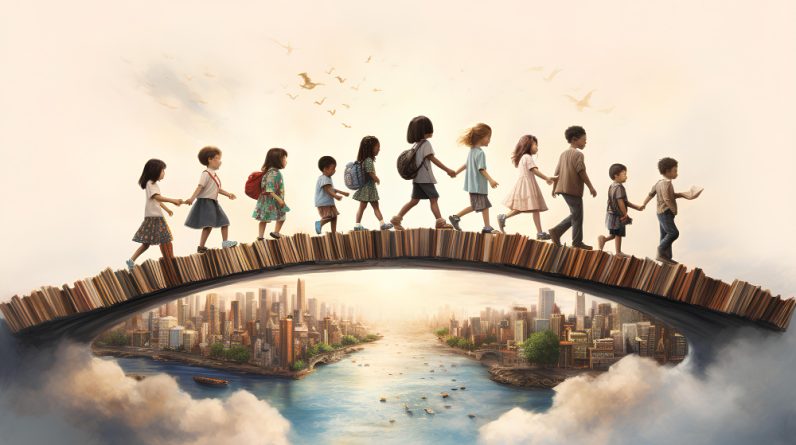
Secondary education is a vital stage in a person’s educational journey, laying the groundwork for their future endeavors. By promoting academic, personal, and professional growth, it serves as a bridge between foundational learning and the specialized knowledge required for success in adulthood.
You said:
Continue writing please
ChatGPT said:
ChatGPT
Innovations in Secondary Education
- Technology Integration
- Digital tools like online learning platforms, virtual classrooms, and educational apps are transforming traditional teaching methods.
- Students gain access to global resources, interactive content, and personalized learning opportunities.
- Skill-Based Learning
- Curriculums are increasingly emphasizing practical skills such as critical thinking, collaboration, communication, and digital literacy to prepare students for the modern workforce.
- Focus on STEAM Education
- Science, Technology, Engineering, Arts, and Mathematics (STEAM) programs are being incorporated to encourage creativity and innovation alongside technical skills.
- Competency-Based Education
- Instead of focusing solely on time spent in a classroom, students advance by demonstrating mastery of specific skills or knowledge areas.
- Global Awareness and Multicultural Education
- Schools are introducing programs to foster understanding of global issues, cultural diversity, and social responsibility.
Role of Secondary Education in Society
- Economic Development
- A well-educated workforce drives innovation and productivity, contributing to national and global economic growth.
- Reduction of Inequality
- Secondary education plays a critical role in bridging the gap between different socioeconomic groups, promoting equality of opportunity.
- Empowerment of Youth
- It provides young people with the tools to make informed decisions, become active citizens, and lead fulfilling lives.
- Improvement in Health and Well-Being
- Education is linked to better health outcomes, as it often leads to greater awareness of healthcare and nutrition.
Future Trends in Secondary Education
- Personalized Learning
- With advancements in artificial intelligence and data analytics, education can be tailored to the needs and learning pace of each student.
- Hybrid Learning Models
- A combination of in-person and online learning offers flexibility and ensures continuity during disruptions like pandemics.
- Focus on Emotional Intelligence
- Schools are integrating mental health education, mindfulness practices, and emotional intelligence development into their curriculums.
- Career-Oriented Programs
- Partnerships between schools and industries are growing, providing students with internships, apprenticeships, and exposure to real-world careers.
- Green Education
- Sustainability and environmental studies are becoming key components of secondary education to prepare students for a future focused on global challenges like climate change.
Conclusion
Secondary education is more than just a stage in academic progression; it is a transformative phase that shapes individuals and prepares them for adulthood. It equips students with essential skills, knowledge, and experiences, laying the foundation for higher education, vocational training, or entry into the workforce.
Through continued innovation and a focus on inclusivity, secondary education has the potential to create a more equitable and empowered global society. It remains a cornerstone of personal and societal growth, enabling individuals to contribute meaningfully to their communities and the world at large.
Frequently Asked Questions (FAQs)
- What age group does secondary education typically cover?
Secondary education usually caters to students aged 11 to 18, depending on the country’s education system. - What is the difference between primary and secondary education?
Primary education focuses on foundational literacy, numeracy, and basic learning skills, while secondary education builds on these basics with more specialized and advanced subjects. - Is secondary education mandatory?
In most countries, secondary education is mandatory up to a certain age, typically 16 or 18. - How does vocational secondary education differ from general secondary education?
Vocational secondary education emphasizes practical skills and training for specific trades or professions, while general secondary education prepares students for higher education. - What are some common challenges students face in secondary education?
Challenges include academic pressure, mental health issues, balancing extracurricular activities, and adjusting to new social environments.